Rust solo survival shows how one builder holds a base against 200 hunters with layered walls, traps and constant repair
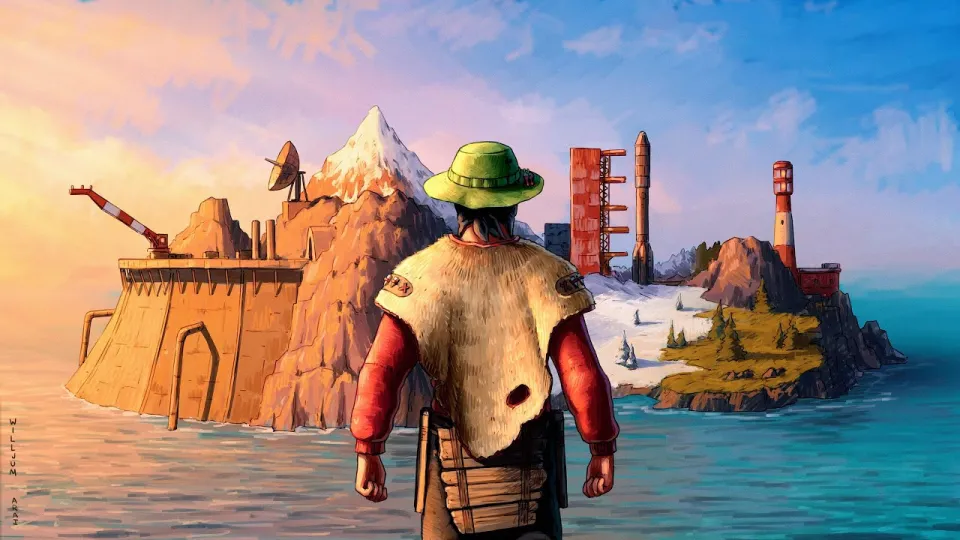
Video: When a Solo Rust builder Vs 200 Hunters...
You can order the same kind of articles for your own video to boost it on YouTube and Google. Just message the Telegram bot @sat_sit_bot. The bot writes and publishes the articles itself (with your YouTube video embedded) on popular topical websites (no ads). Try it free: 50 articles on us.
· based on the channel Willjum
Key takeaways
- Willjum's video pits a single builder against a 200-player hunting party on a custom server event.
- The solo side gets a head start to farm, build and layer honeycomb before the hunt begins.
- Survival depends on wall depth, repair speed and keeping the loot room away from the outer shell.
- Viewers pushed for duo and trio versions, plus a longer prep window before the assault.
- Supply drops from friendly players and a stocked crafting bench extend a solo base's lifespan.
Rust solo survival against a 200-player hunting party is a base-building endurance test: the builder wins by stacking honeycomb, splitting loot across rooms and repairing faster than the attackers can break through, not by winning firefights. That is the setup Willjum runs in his solo-versus-hunters event, and it is the reason the format works as a stress test for anyone who plays Rust alone. If you want to see the full run and support more experiments like it, the channel's Patreon page is here: support Willjum on Patreon.
What the Rust solo versus 200 hunters format actually is
The format is a custom server event where one solo player builds while a large group of hunters is tasked with raiding and hunting them down. The solo side is not dropped in cold: the builder gets time to farm stone and wood, place a starter, upgrade to stone and sheet metal, and add honeycomb layers before the hunt goes live. The hunters, meanwhile, have numbers, explosives and map control on their side.
The asymmetry is the point. A normal Rust wipe gives a solo player weeks of low-grade skirmishes against neighbours; this event compresses that pressure into a short window where every wall matters. The number in the title is the headline, but the real variable is time — how many minutes of uncontested farming the builder gets before the first raiders arrive.
Why honeycomb and wall depth decide a solo Rust base
Honeycomb is the only thing that converts a solo player's small upkeep budget into survivable time. Each extra layer of stone or sheet metal between the outside world and the loot room forces attackers to spend more explosives, and explosives are the resource hunters burn fastest when they are splitting a raid across a big group.
A practical order of work for a solo builder under pressure:
- Place a 2x2 or 2x1 core and upgrade it to stone immediately.
- Add a full ring of honeycomb before adding a second floor — vertical space is worthless if the shell is thin.
- Split loot: tools and components in one room, sulfur and explosives materials in another, upkeep resources in a third.
- Keep a repair bench and stocked materials inside the core so walls can be patched mid-raid.
- Build a secondary stash base a short run away for anything you cannot afford to lose.
Depth beats cleverness. A three-layer stone shell with sheet metal doors survives far more explosive charges than an elaborate multi-floor design with single-layer walls.
Traps, doors and the cost of every entrance
Every door is a promise to the attackers about where the loot is, so a solo base should have as few entrances as the design allows and each one should cost more than the last. Air locks with double doors, shotgun traps behind corners and a turret covering the main approach all raise the price of entry without needing a second player on the roster.
In a hunter-versus-builder event, traps matter more than in normal play because attackers arrive in numbers and get careless. A single well-placed trap can strip a raider of gear and explosives, and the loot from that kill often pays for the next round of repairs. Keep the trap ammo stocked before the hunt starts, not during it.
Farming, prep time and what a solo player can realistically finish
Prep time is the real currency of the format, and the community reaction to the video made that clear: viewers asked for a version with a longer preparation window to see how far a solo builder could get before the horde arrived. That is a fair question, because a solo player's build speed is capped by farm rate, not by ambition.
A realistic checklist for a short prep window:
- Stone tools and a metal pickaxe before any decorative building.
- A starter base with at least one honeycomb ring and a working furnace array.
- Enough stone and wood banked to cover upkeep for the whole event.
- A small reserve of explosives materials, because a solo builder who can counter-raid buys time.
Anything beyond that — turrets, sheet metal upgrades, a second base — is a bonus, not a plan.
Lessons from the viewer debate around the challenge
The most common viewer request was to run the same challenge as a duo or trio, and the second most common was to turn it into a recurring series with different parameters. Both suggestions point at the same truth: the format's difficulty scales with the number of builders, not the number of hunters.
Another recurring theme was supply delivery. When a friendly player hands a solo builder gears and rope mid-event, it does not break the challenge — it mirrors how real solo players survive wipes, through trades and favours rather than raw farming. The other side of that coin is the tension of being the only player on the map who cannot trust a silhouette on the horizon, which is exactly the paranoia the video leans into.
How to practise this Rust scenario on your own server
You can rehearse the solo-versus-many scenario without a 200-player event by setting up a private server and giving yourself a fixed prep timer. Build for 30 minutes, then spend the next 30 attacking your own base with the explosives you can craft. Whatever breaks first is the wall that needed another layer.
Repeat with a shorter timer and a bigger raid budget. The exercise trains the two habits that keep solo players alive: prioritising shell depth over interior design, and keeping enough materials on hand to repair during a fight instead of after it.
Useful links
- Willjum on Patreon — support the channel and its event videos.
- https://www.twitch.tv/willjum — live Rust streams.
- https://twitter.com/willjum1 — updates and announcements.
- http://creativecommons.org/licenses/by/4.0/ — licence for the music used in the video.
Final thoughts on solo Rust base defence
A solo builder versus 200 hunters is not a fair fight, and that is why it is worth watching: it isolates the parts of Rust that a solo player actually controls, which are wall depth, repair speed, loot discipline and prep time. Willjum's channel built the event around that pressure and got a clear answer — a small, deep, well-stocked base buys more minutes than any amount of gear. If the format returns with a longer prep window or a duo version, the same rules will decide it. Support the next run through Willjum's Patreon.
Questions & answers
How does a solo player survive a 200-player hunt in Rust?
By trading time for depth. The solo builder spends the prep window on honeycomb layers, stone and sheet metal upgrades, and a stocked repair bench, then repairs during the raid instead of fighting. Numbers do not help attackers much against a base that costs more explosives than they brought.
How much prep time does a solo builder need before an event like this?
Enough to finish a starter, add at least one full honeycomb ring and bank upkeep for the whole event. Viewers of the video argued for a longer prep window precisely because farm rate, not build skill, is what limits a solo player's output.
Would a duo or trio version of the challenge be easier?
Easier on the builders, yes. Two or three players split farming, building and repairing at the same time, which roughly doubles or triples the wall depth achievable in the same window. The hunters' advantage shrinks because the base grows faster than the raid budget.
Does getting supplies from other players ruin the challenge?
Not really. Handouts of gears and rope mirror how solo players survive real wipes, through trades and favours. They shorten the farming phase but do not remove the core problem of defending a base alone against a coordinated group.
Source: When a Solo Rust builder Vs 200 Hunters... · Markdown version